


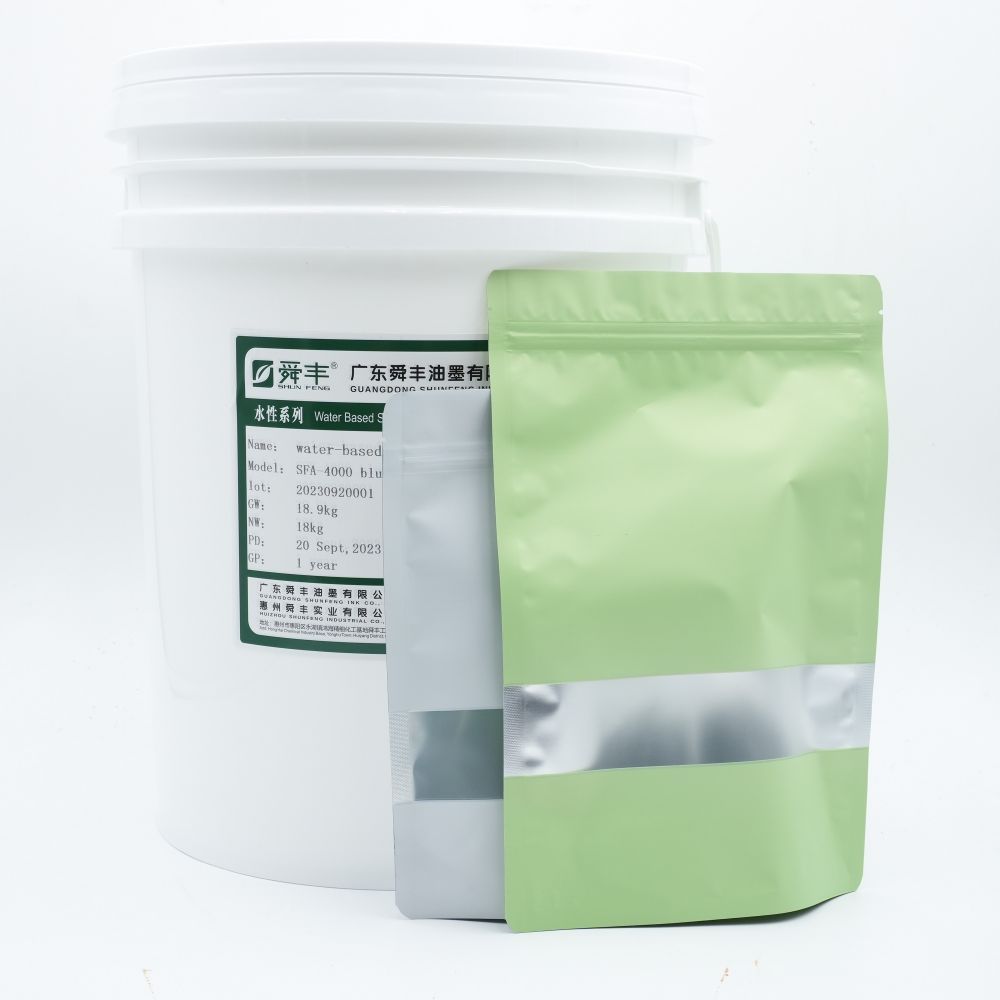


Differences Between Water-based Varnish and UV Varnish
There are many types of varnish, but the commonly used ones can be roughly divided into three categories: oil-based varnish, water-based varnish, and Uv Varnish. With the trend of actual application of varnish and the increasing requirements for environmental protection, the use of oil-based varnish will gradually decrease, while the application space for water-based varnish and UV varnish is very broad. The following mainly introduces water-based varnish and UV varnish.
- Water-based Varnish
Water-based varnish is mainly composed of water-soluble resins and water-dispersible resins. It is non-toxic and odorless, eliminating the harm to human health and environmental pollution. It has the characteristics of fast drying speed, good film transparency, stable performance, wide equipment adaptability, good wear resistance and flatness of the coated surface, wide post-print processing adaptability, good heat sealing performance, safe and reliable use, and convenient storage and transportation. It is increasingly valued by food, pharmaceutical, and tobacco paper box packaging printing enterprises. When using water-based varnish, the following typical issues should be noted:
①How to ensure that the underlying ink can dry fully after coating with water-based varnish. First, it is necessary to ensure the gas escape property of the water-based varnish, so that the ink layer can contact the air and undergo oxidation film drying. In addition, this problem can also be solved by moderately increasing the hot air temperature.
②The gloss of the water-based varnish coating is relatively lower than that of UV varnish. In practice, a small amount of high-boiling-point solvent can be added to the water-based varnish to swell the emulsion particles, promoting the formation of a smoother coating, thereby improving the surface flatness of the coating and ultimately achieving the purpose of increasing the gloss of the water-based varnish coating.

- UV Varnish
UV varnish is a method of curing the coating by UV (Ultraviolet) irradiation. It has the characteristics of rapid curing of the coating and the feature that it is not easily colored like warm-curing varnish, which helps to solve many problems in the gloss processing of paper printed products. Therefore, it has been widely used in the gloss processing of paper containers, trademarks, book covers, packaging boxes and other printed products.
UV varnish contains almost no solvent and has minimal organic volatile emissions, thus reducing air pollution. UV varnish does not contain solvent and does not require heat during curing, so the energy consumption required for its curing is relatively small. In addition, UV varnish has strong adhesion to ink; the effective components of UV varnish are high, with less volatilization and relatively less usage; the surface of printed products after UV varnish curing has better wear resistance, drug resistance and chemical resistance, good stability, and can be wiped with water and ethanol; UV varnished products are not easy to stick together, and can be stacked after curing, which is conducive to subsequent processing operations.