


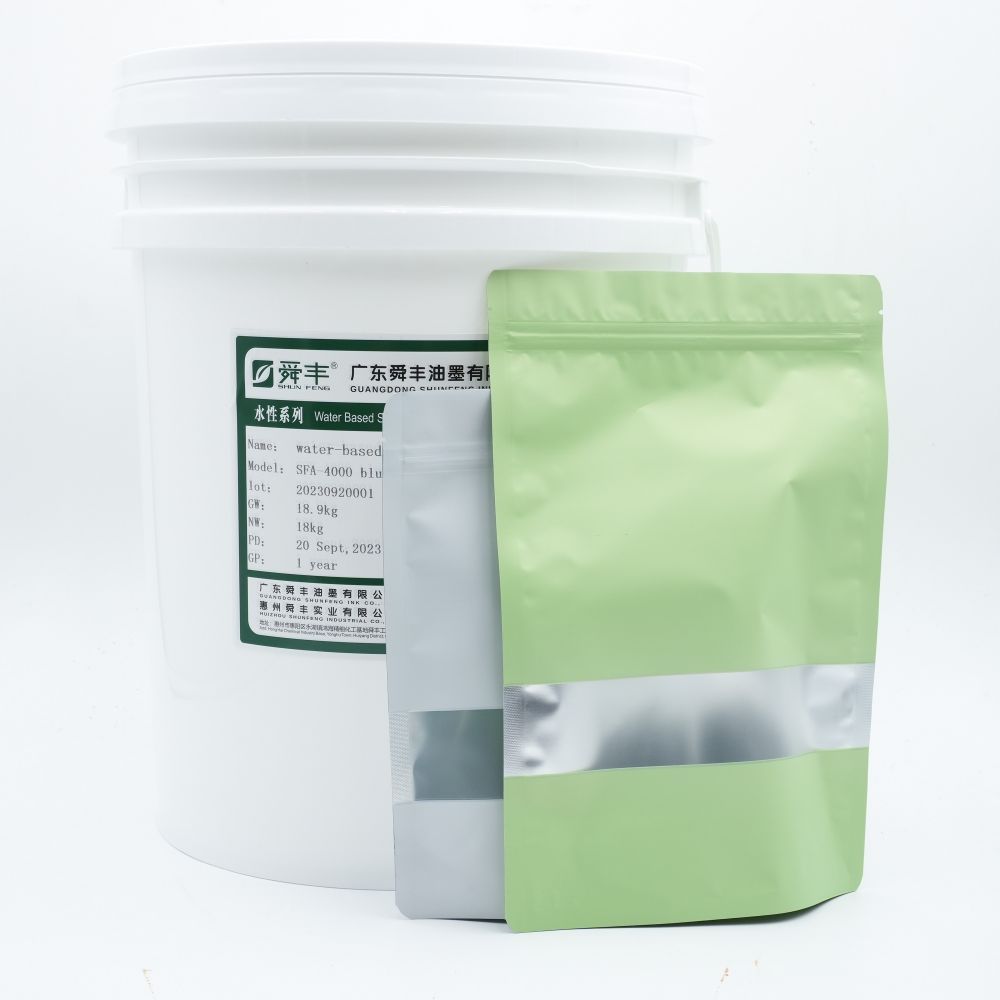


Printing Techniques | Differences Between Reverse UV, Matte UV, and Matte Embossing
Reverse UV, Matte UV, and Matte Embossing are three processes that can create a matte grainy texture, adding a comfortable feel to packaging surfaces and giving a sense of solidity and weight. Each process has its own characteristics and advantages.
Process Principles
Reverse UV
This technique utilizes the "repulsive" principle between coating-type Uv Varnish and base-printed UV varnish (ink roller type UV varnish) to simultaneously achieve a three-dimensional texture and varying gloss effects. A glossy effect is produced where there is no base varnish, while a matte effect occurs in areas with base varnish. This process allows for control over the amount of UV base varnish or the dot size, resulting in variations in brightness after UV varnishing (often referred to as wrinkle shrinkage intensity).

Matte UV
Also known as UV faux metal etching printing, this method involves printing a layer of uneven, translucent ink on substrates with metallic luster (such as gold or silver cardboard) and then curing it with ultraviolet (UV) light. This creates an effect similar to an etched or frosted metal surface. In the film industry, applying a matte finish on polyester films or other film materials enhances the aesthetic of printed materials, conveying a soft, dignified, and elegant look. Additionally, incorporating anti-scratch additives into the Uv Ink improves the scratch resistance of the product’s surface, increasing durability.
Matte Embossing
A common printing technique that uses embossed molds to create a three-dimensional design on the printed material through a specific pressure application, resulting in artistic surface treatment.
Advantages
Reverse UV
This process allows the same print to showcase both a high-gloss effect and a matte or grainy effect, creating a significant contrast in brightness that enhances the varnishing outcome. Moreover, the non-high-gloss areas use offset printing, ensuring accuracy in registration and print quality for the high-gloss sections. Overall, reverse varnishing addresses key issues in conventional varnishing techniques and achieves contrast effects that standard processes cannot, resulting in finer, more exquisite printed products with improved print quality.
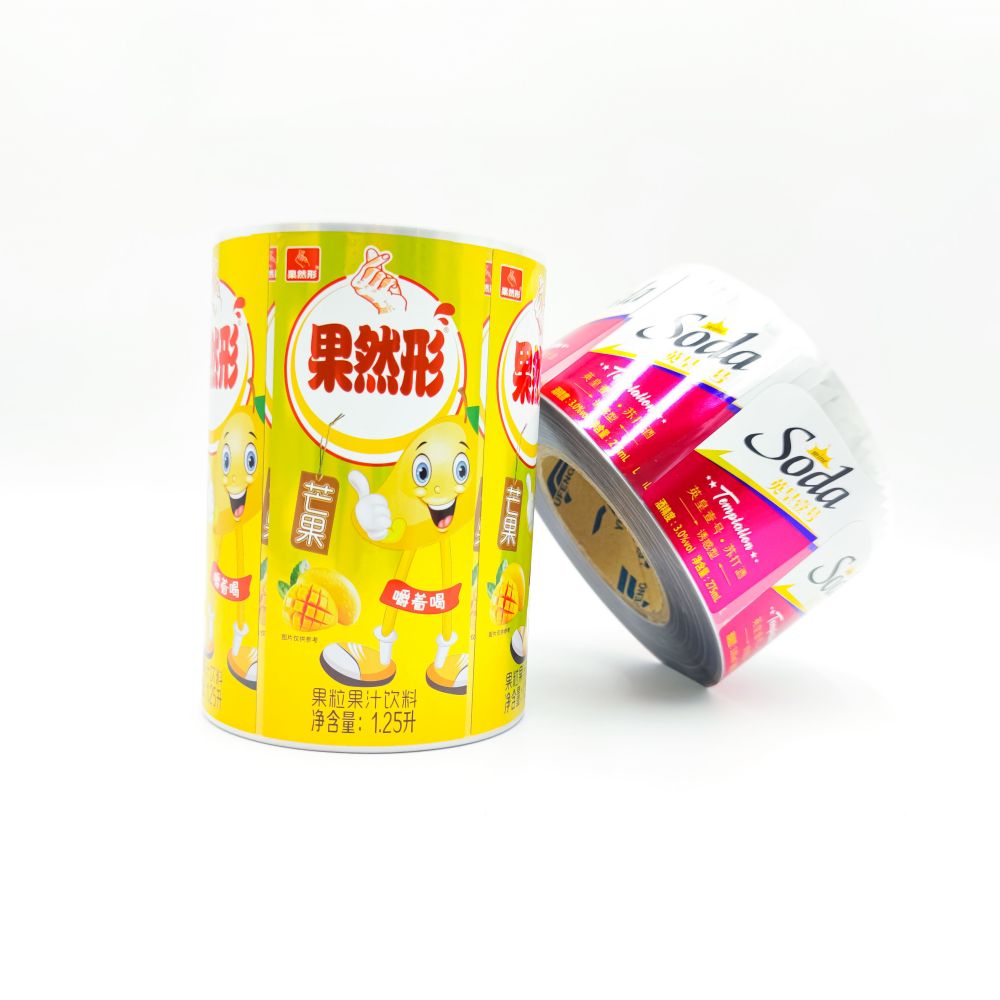
Matte UV
1) The matte effect of UV printing is finer and more stable due to the precision of the printing machine.
2) Production speed is faster since the matte finish is achieved simultaneously with the ink application, resulting in a finished product.
3) The cost is generally lower compared to traditional matte finishes. Although UV printing is typically more expensive, the matte effect itself is cheaper, as the faster production of UV matte eliminates the need for additional film processing, while also protecting the ink and paper surface.
Matte Embossing
This technique results in printed materials with varying depths and textures, providing a pronounced embossed three-dimensional effect that enhances the artistic appeal. It is suitable for high-end packaging for tobacco, alcohol, food, pharmaceuticals, cosmetics, as well as for craft printing like traditional paintings, calendars, and promotional posters.
Process Distinctions
Reverse UV Process
The surface is glossy with an oily feel and can be easily scraped off with a blade; it is a printing UV process.
Matte UV Process
The surface appears whitish with a matte feel and can be easily scraped off with a blade; it is a screen printing UV process.
Matte Embossing Process
The surface has a dull gloss effect with a matte feel and cannot be scraped off with a blade; it is a matte embossing process.