


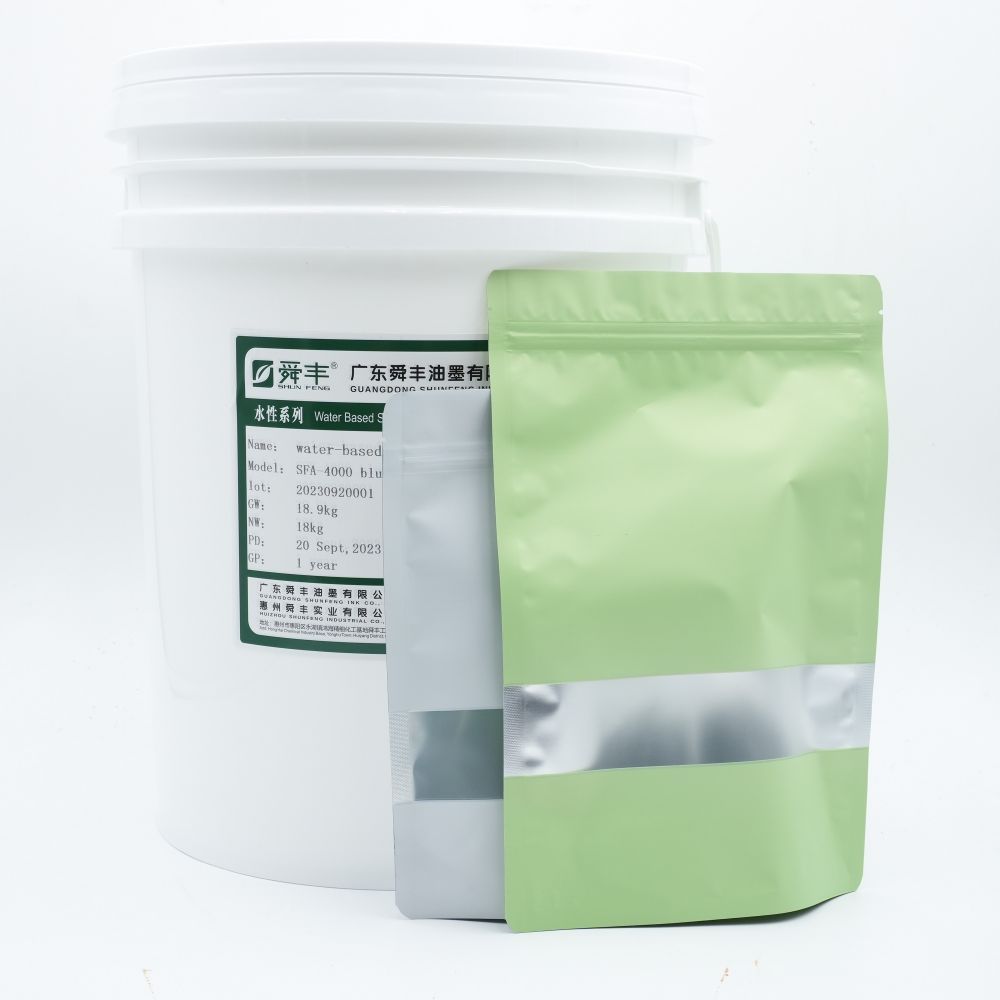


Tissue Water-Based Ink: Definition and Application Process
Definition and Characteristics
Tissue water-based ink is an eco-friendly water-based printing ink specially designed for tissue paper, toilet paper, kitchen paper and other household paper products. It uses water as the main dispersion medium to realize patterns, texts and functional protection by printing on the tissue surface.
Key features include:
Eco-friendly and Safe: Contains no or minimal volatile organic compounds (VOCs), has no irritating odor, meets food-contact safety standards, can directly contact skin and food, and satisfies the hygiene and environmental requirements of the tissue industry.
Soft and Skin-friendly: Forms a highly flexible film that will not harden or embrittle the tissue, nor affect its water absorption, air permeability and soft hand feel, adapting to the lightweight and biodegradable properties of tissue.
Fast-drying and Stable: Dries quickly, adapts to high-speed flexographic printing presses, avoids smudging and plate blinding after printing, delivers high-definition patterns and uniform stable colors, and is suitable for continuous tissue production.
Functional Adaptability: Some formulations have water-repellent, oil-resistant and antibacterial properties, while maintaining the biodegradability of tissue, meeting the sustainable development needs of green packaging and household paper.
Process
The printing and application process of tissue water-based ink generally includes the following steps:
1. Ink Preparation: Select appropriate water-based ink base materials according to tissue types (virgin wood pulp, bamboo pulp, recycled pulp, etc.) and printing requirements, adjust viscosity, color concentration and drying speed to ensure ink-paper compatibility.
2. Substrate Pretreatment: Test the flatness and water absorption of base tissue paper, and perform mild drying if necessary to avoid excessive moisture content that affects ink adhesion and drying.
3. Printing Operation: Adopt flexographic printing process to transfer the prepared water-based ink evenly to the printing plate via anilox roller, then to the tissue surface. Control printing pressure and speed to ensure clear patterns without backside penetration.
4. Drying and Curing: Use hot air or infrared drying equipment to quickly volatilize water in the ink, complete film formation and curing, avoid pattern adhesion and bleeding, and ensure no residual moisture after full drying.
5. Quality Inspection: Check printed tissue for defects such as missing prints, color deviation, show-through and smudging. Test ink adhesion, water resistance and safety to ensure compliance with tissue industry standards.
6. Post-processing and Slitting: Perform subsequent processes such as rewinding, slitting and embossing as required to produce finished tissue products
Applications
This process is widely used in household paper and related industries:
Household Tissue: Used for printing brand logos and decorative patterns on toilet paper, facial tissue and kitchen paper, enhancing product aesthetics and brand recognition while ensuring safe use.
Foodservice Paper: Meets the printing needs of restaurant napkins and takeaway packaging paper, complies with food-contact standards, and can print restaurant logos and slogans, combining practicality and marketing value.
Customized Tissue: Serves scenarios such as corporate customization, weddings and exhibitions, enabling personalized pattern and text printing to convey brand or event information while retaining the eco-friendly and soft properties of tissue.
Functional Tissue: Equipped with functional water-based inks such as antibacterial and water-repellent types, applied to medical wipes and cleaning wipes, endowing tissue with additional protective functions during printing.
Advantages and Development Trends
Compared with traditional solvent-based and oil-based inks, the tissue water-based ink process offers:
Environmental Advantages: Zero VOC emissions, no heavy metals or harmful chemical residues, complies with food-contact material standards such as EU REACH and China GB 4806, helping enterprises achieve green production.
Cost Optimization: Uses water as a diluent, resulting in low ink loss and low drying energy consumption, while reducing investment in waste gas treatment equipment and lowering enterprise production and environmental governance costs.
Quality Improvement: Printed tissue retains a soft hand feel, with delicate and non-glare patterns that resist fading, solving the pain points of traditional inks such as hardening and ink transfer, and enhancing product user experience.
Compliance and Convenience: No complex explosion-proof or anti-toxic protection measures are required in the production process, making operation safer and meeting regulatory requirements for environmental protection and safe production.