


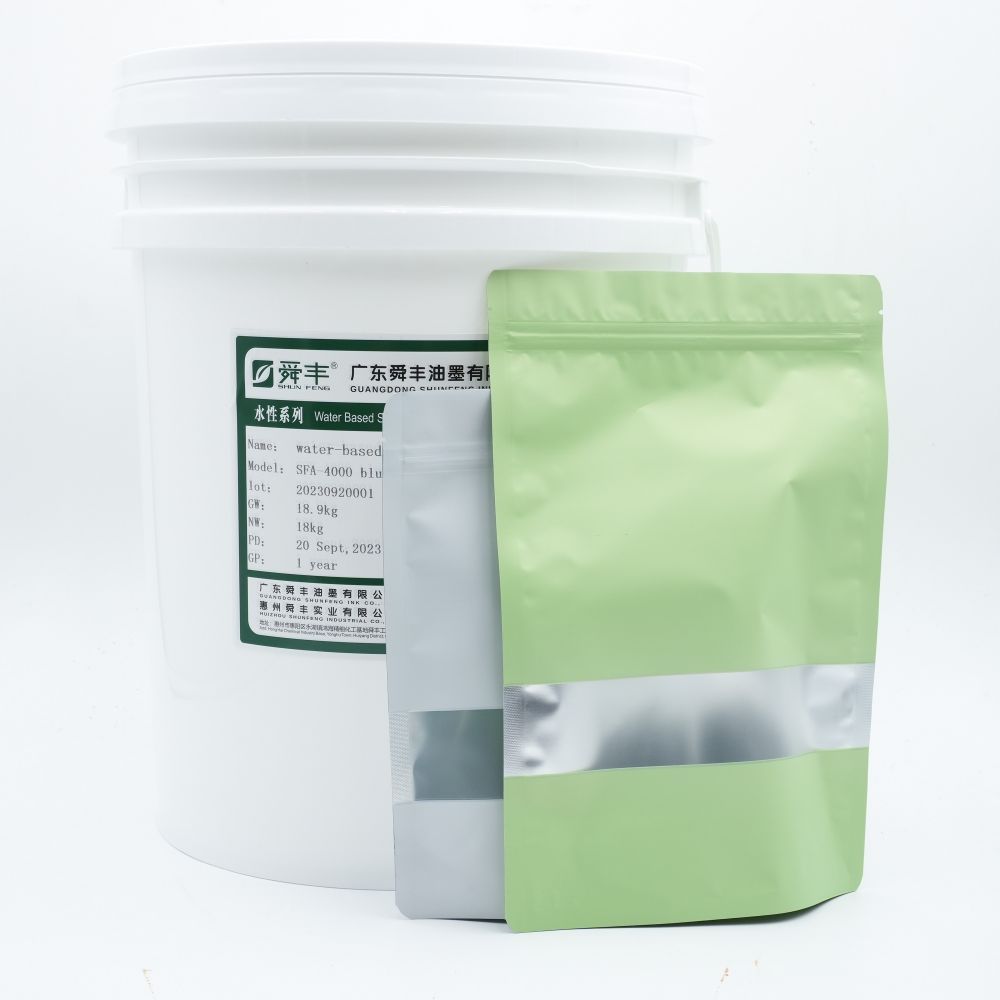


What is Water-based Varnish? What Are Its Characteristics and Application Scope?
Introduction to the Main Uses of Water-based Varnish
Water-based varnish is primarily composed of three major categories: the main agent, organic solvent, and neutralizer. It has the characteristics of being colorless, odorless, highly transparent, non-toxic, free of chemical volatile organic compounds (VOCs), low-cost, and widely sourced, which are incomparable to other solvent-based varnishes. By adding other main agents and modifiers, it can also possess good gloss, wear resistance, and chemical resistance, making it economically and environmentally friendly, especially suitable for packaging printing.
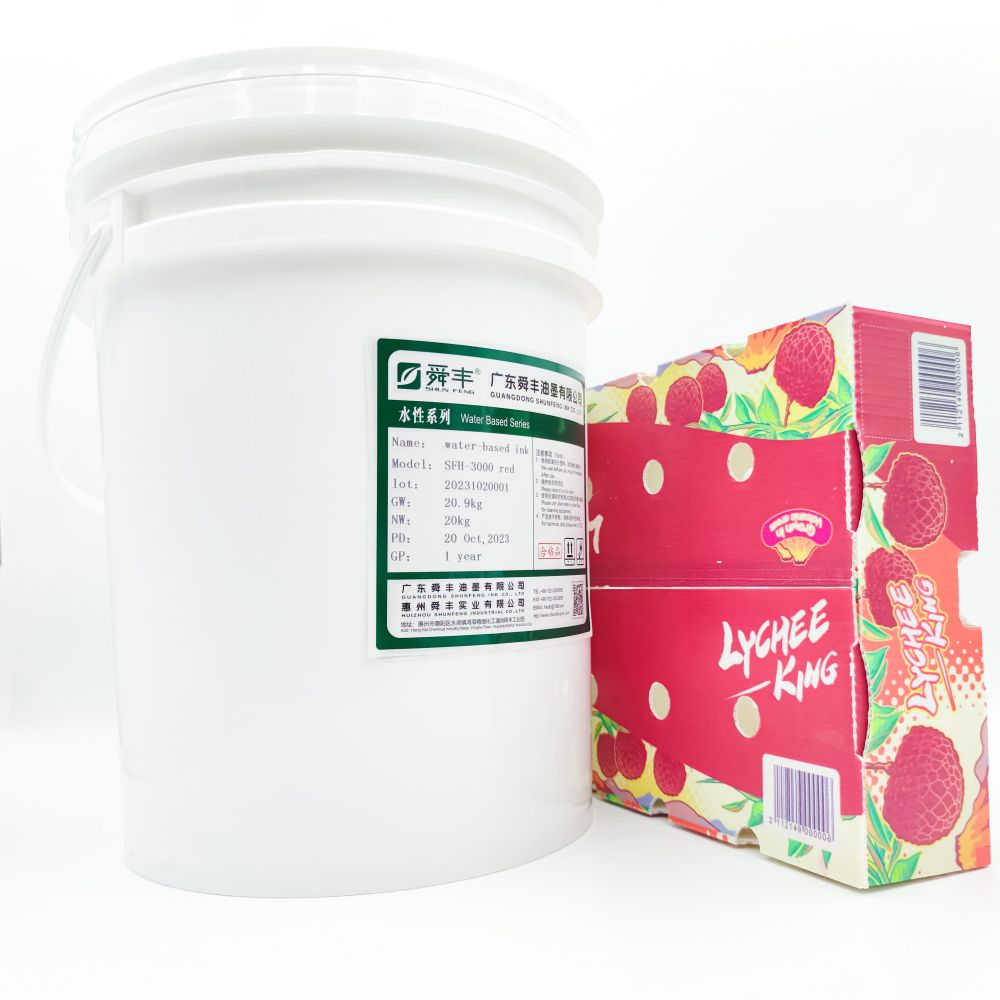
Characteristics of the Main Uses of Water-based Varnish
Water-based varnish (also known as dispersion varnish) has the characteristics of being colorless, odorless, free of chemical VOCs, low-cost, widely sourced materials, and having excellent gloss, fold resistance, wear resistance, and chemical resistance, as well as being economical and environmentally friendly. Water-based varnish can be divided into three types based on equipment usage: high gloss, regular gloss, and matte gloss. In terms of manufacturing processes, it can be categorized into: fountain online varnishing process, water fountain varnishing process (using the water and ink fountain of a conventional printing press), dedicated varnishing machine process, and inline varnishing process. In operation, water-based varnish can eliminate harm to the human body and environmental pollution, and has been increasingly valued by food and cigarette printing companies. The operation of water-based varnish on a gravure press is more convenient compared to general solution-based varnishes, mainly by adjusting the viscosity of the varnish, the depth of the anilox roller, and the temperature of the drying box. Based on experience, the viscosity of water-based varnish is generally controlled around 15 seconds (measured at 20℃); the depth of the anilox roller is 20um, 200L/in; the drying box temperature is 120℃ (100Kw×2), and under the condition of 150m/min varnishing, the application amount is 5g/m², the varnish dries instantly, and can be immediately used for hot stamping and die-cutting. When using water-based varnish on a printing press, the method differs from oil-soluble varnishing. Oil-based varnishing can use the original printing unit and ink fountain, and directly print varnish using PS plates. The disadvantage of this varnishing method is that the gloss is insufficient, the color fastness is not strong, it is prone to fading, and it cannot be used for wet-on-wet varnishing, especially for full-coverage printing. Screen printing inline varnishing uses the method of application for water-soluble varnishing, which is different from the original printing unit's oil-soluble pressure varnishing. It uses the ink transfer principle of gravure printing, and through the metal anilox roller and ink doctor blade, transfers the varnish onto the rubber blanket or resin plate, and then applies it to the substrate. Under normal circumstances, the viscosity of the varnish is around 20 seconds (measured at 20℃), the engraving depth of the metal anilox roller is 23μm, 150l/in, the application amount is 5g/m², the temperature is 65℃, the infrared power is 5.4Kw×5 tubes×2 sets, with a total power of around 54Kw, the equipment running speed is 13000 sheets/h, it dries instantly, no powder spraying is needed, and it can be immediately used for hot stamping and die-cutting. However, it should be noted that under the condition of inline wet-on-wet varnishing, the ink and water-based varnish may not be completely dry, and natural drying for about 4 hours is needed before hot stamping. In general, water-based varnish has the advantages of excellent technology, easy use, high cost-effectiveness, non-toxicity, and zero pollution, and has a broad development prospect. It will surely gradually replace solution-based and oil-soluble varnishes and dominate the printing industry.
Main Uses of Water-based Varnish—Application Scope
With the rapid development of commodity and market economies, people are paying more and more attention to the printing and decoration of food packaging materials, periodicals, magazine covers, calendars, photos, medicine boxes, and cigarette packs. Not only is it required to have exquisite colorful prints, but also a noble and smooth surface finish, which is a unique property created by applying varnish on the printed matter. Applying varnish on printed products can not only enhance the value of the printed products, but also improve the ink's resistance to rotation, as well as its heat insulation and waterproof capabilities. It serves to protect the print and enhance the performance of the printed products, bringing substantial economic benefits to printing factories. The varnishing market is a diversified one, with food printing factories, periodical printing factories, commercial printing factories, trademark printing factories, and folding carton printing factories all having different levels of varnishing requirements for various packaging products. The application of water-based varnish must take into full consideration different varnishing methods, types of paper, product quality, and other factors in order to achieve the best results. With the development of the times, people's awareness of the safety of living conditions is also constantly improving. For the printing industry, the standards and constraints in the fields of hygiene, environmental protection, and safe production have gradually been raised, especially for the printing of food packaging materials, which is subject to stricter requirements. Only in this way can the national health management regulations be met. Therefore, the development and application of pollution-free and non-polluting "green" materials are urgent. The characteristics of water-based varnish, such as being non-toxic, odorless, having high gloss, and being easy to use, have been widely applied in the packaging printing industry in recent years and have shown a trend of continuous growth.